
Free Forex Signals How to Assess Quick Trade Setups
Free forex signals can help you spot potential trades faster, but every setup still needs a review before you risk money. Treat each alert as a starting point, not a guaranteed win or an instruction to enter.
If you don't want to spend hours scanning charts, a signal can narrow your attention to one currency pair and price area. However, missing details, delayed delivery, and trading costs can turn an appealing idea into a poor trade.
Start by understanding what a complete signal should tell you.
How Forex free trading signals help you find quick setups
A forex signal describes a possible trade in a currency pair. It usually suggests buying or selling at a particular price, with levels for limiting losses and taking profits.
Signals may come from human analysis, automated rules, or a combination of both. Because you may not know how someone produced an alert, its reasoning matters as much as its entry price.
What a useful signal should include
A useful signal names the currency pair, trade direction, entry area, stop-loss, profit target, and chart time frame. It also explains the setup, such as a pullback toward support or a break above resistance.
Timing matters too. A publication timestamp and an expiration condition help distinguish an active idea from an outdated one. For example, an entry might remain valid only during the current trading session.
Without these details, you can't assess the intended risk or tell whether the original opportunity still exists. A message that says only "buy EUR/USD" leaves too much for you to reconstruct.
How to read an example setup before acting
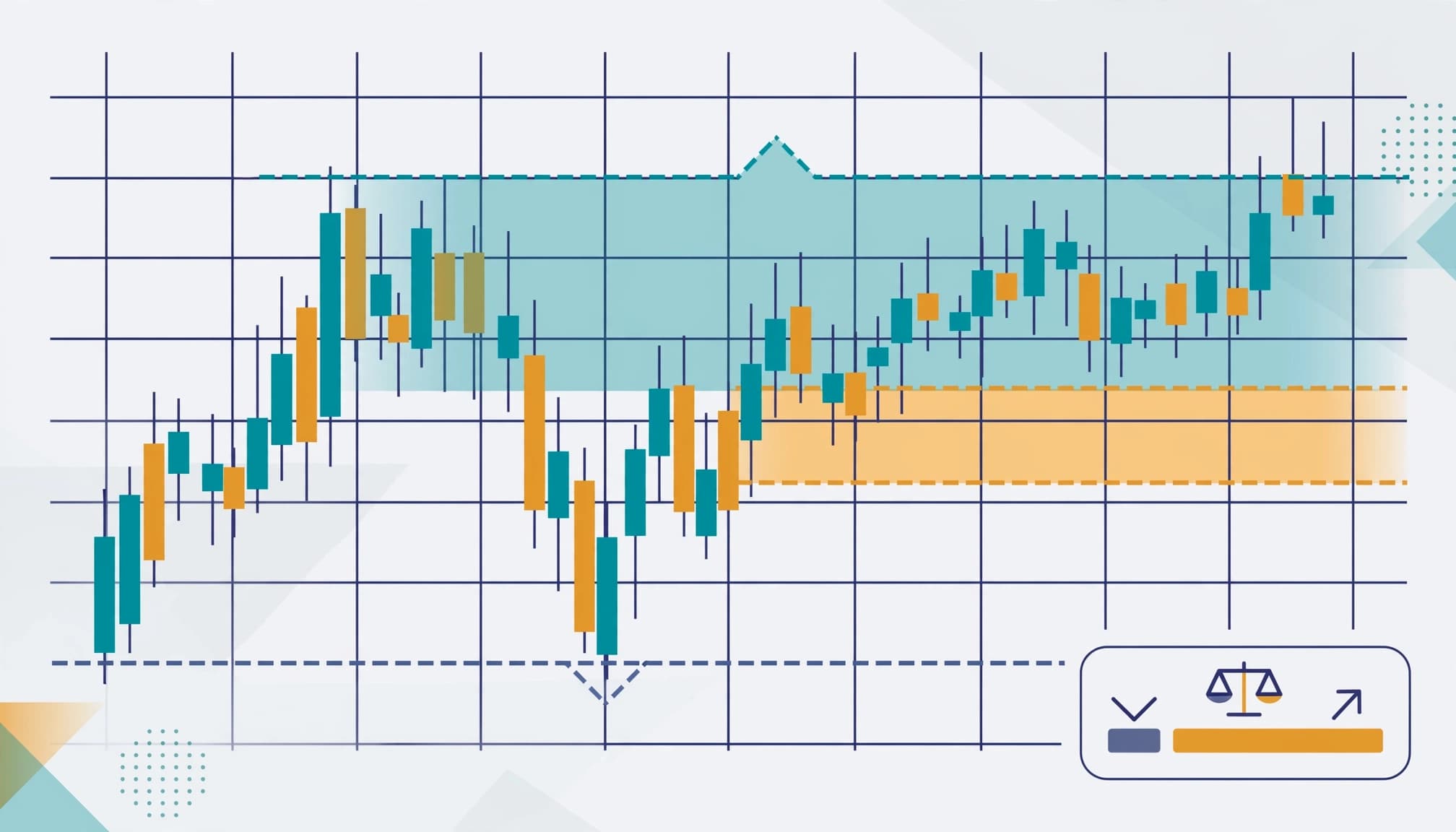
Consider this hypothetical teaching example, not a live recommendation: buy EUR/USD at 1.0800, place a stop at 1.0780, and target 1.0840. The setup uses a one-hour chart and assumes a bounce from support.
For EUR/USD, one pip is 0.0001. Therefore, the stop sits 20 pips below entry, while the target sits 40 pips above it. That's a 2:1 potential reward-to-risk ratio, before costs.
Now suppose the price reaches 1.0820 before you receive the alert. With the original stop and target, you're risking 40 pips to pursue 20 pips. The ratio falls to 0.5:1.
The original message hasn't changed, but the trade has. Check the available entry price against the stop and target rather than chasing an alert because it arrived recently.
Where to find free forex signals and what to compare
Common sources include broker research platforms, independent signal websites, charting communities, and messaging channels. TradingView hosts public trading ideas, while Telegram and WhatsApp also carry signal groups.
These formats offer different experiences. A charting post may show the reasoning clearly, while a messaging alert may reach you quickly but provide little context. Broker research can add market commentary, although it may also encourage trading activity.
None of these distribution methods proves that a signal source is reliable.
Check the track record, timing, and full trade history
A credible record includes dated entries and exits, losing trades, and rules that remain consistent. It should also distinguish completed trades from pending orders and canceled setups.
Independently verifiable account results provide stronger evidence than screenshots selected by the publisher. However, even a verified record doesn't guarantee future performance. Results also need context, including account risk, drawdowns, and whether trades came from a demo or live account.
Timing deserves equal attention. An alert published after a price move offers little evidence that subscribers could have taken the advertised entry.
Updates should preserve the original trade details. Otherwise, moving targets, deleted losses, or revised entry prices can make performance look better than it was.
A high win rate can hide poor results when occasional losses outweigh many small wins.
Spot hidden costs and warning signs
Free forex signals may support paid subscriptions, broker referrals, or premium memberships. That business model doesn't establish trading quality, but it explains why a publisher gives away alerts.
Referral links can also create incentives tied to account openings or trading activity. Meanwhile, a free group may reserve its explanations or faster alerts for paying members.
Treat guaranteed-profit promises, pressure to deposit immediately, and unsupported win-rate claims as warning signs. A percentage without a date range, trade count, and treatment of losses tells you little.
Spreads, commissions, overnight financing, and slippage can reduce results even when the signal itself costs nothing.
A quick routine for checking a signal before you trade
A short review can prevent a fast alert from becoming an impulsive order. Use the same sequence each time so excitement doesn't replace your rules.
- Review current market conditions, including scheduled economic releases and unusual price moves.
- Compare the setup with your trading plan and available entry price.
- Calculate the planned loss, position size, and potential reward after allowing for costs.
- Enter only if the trade fits your rules; otherwise, pass.
An economic calendar helps identify scheduled releases, including US employment data and central bank rate decisions. Prices and spreads can change sharply around these events.
Match the setup to your time frame and trading plan
A five-minute setup demands different attention than a trade built around a daily chart. If you can't monitor a short-term position, receiving the alert quickly won't solve that mismatch.
The currency pair also matters. Your plan should account for its normal spread, liquidity, and volatility during the relevant session. A tight stop may leave little room for price fluctuations when trading costs rise.
Compare the chart with the signal's explanation. If price has already broken the support behind a proposed buy, the stated reason may no longer apply.
Also consider existing positions. Buying EUR/USD and GBP/USD together creates overlapping exposure to US dollar weakness, even though the pairs differ.
Set position size and risk before entering
Choose the amount you're prepared to lose before deciding how large the trade should be. Leverage changes the margin required to open a position; it doesn't make the position's price risk smaller.
For the earlier EUR/USD example, assume a US dollar account and a $50 planned loss. With a 20-pip stop, the position needs a pip value of $2.50.
A 25,000-unit EUR/USD position has that pip value, so a 20-pip move against it equals $50 before costs. If you include transaction costs within that budget, the position needs to be smaller.
A stop-loss order doesn't guarantee execution at its stated price during gaps or fast markets. Avoid widening the stop to postpone a loss or increasing risk to recover previous losses. Either action changes the plan after money is already exposed.
Use free signals without giving up control of your trades

Testing a signal source gives you evidence about how it fits your routine. It also reveals practical problems that a performance screenshot won't show, such as alerts arriving while you're unavailable.
Start with a demo account and consistent rules
Use a demo account to follow a source without putting real money at risk. Keep the same entry rules, risk limits, and approach to missed alerts throughout the test.
Record every eligible signal, including trades you skip. Otherwise, selecting only attractive setups can make the source appear stronger than its complete output.
Demo trading has limits. Live execution, available liquidity, and the pressure of risking money can produce different outcomes. Still, practice helps you learn whether the signals arrive with enough detail and whether you can act within their intended time frame.
Changing sources after every loss makes comparison difficult. Give a defined approach enough observations to reveal recurring strengths and weaknesses, while keeping your financial risk contained.
Keep a journal that measures usable results
Record the publication time, receipt time, quoted entry, available price, stop, target, and eventual outcome. Add the spread and your reason for taking or rejecting the trade.
Separating the published result from your achievable result is especially useful. A source might report a winning entry that had already disappeared before its alert reached you.
Track outcomes in units of initial risk, often called R. A loss equal to the planned risk is minus 1R; a gain twice that amount is plus 2R.
Also review the largest drawdown and longest losing streak. Those measures help show whether following the approach would demand more risk than you can tolerate.
A few wins don't establish reliability. Review results across different market conditions, and separate evidence about the signal from mistakes in your execution. If losses repeatedly exceed the planned amount, resolve that problem before committing real money.
Conclusion
Free forex signals can shorten the search for trade ideas, but the available entry price and your risk limits determine whether a setup is usable. Clear trade details and an honest history matter more than an urgent notification.
Keep independent control over position size, stop placement, and the decision to pass. A signal that doesn't fit your schedule or trading plan doesn't need to become your trade.
Test a source on a demo account before risking real money. Judge it by complete, usable results rather than a handful of winning screenshots.